BALI PEARL SHELLS JEWELRY
COMPANY
CV Maya, a manufacturer company of Bali pearl shells jewelry. We produce,
export and wholesale beads necklaces with pearl shell made in Bali. Pearl
shells jewelry with beads from Bali Indonesia. Beads jewelry with pearl shells.
Sea shells jewelry such as necklaces, bracelet, earrings etc. All made by
CV Maya, a producer company for beaded jewelry with shells. We're able to
give a very competitive price for our shells jewellery and accessories. Pearl
shells jewelry and pearl shells necklaces right from the factory. To order
our jewellery and accessory, please send Email to Us.
Pearl shells jewelry and pearl shells accessories from Bali Indonesia. Jewellery and accessory made of beads with pearl shells and sea shells. Made by CV Maya, a producer company for pearl shells jewelry. We're supplier wholesaler and exporter company. We have many pearl shells jewelry, please remember to visit www.Jewelryindonesia.com. This is also fashion accessories web site with many beads necklaces and beads jewelry. Bali pearl shells jewellery such as pearl shells necklaces with beads.
Introduction to Batik Indonesia
The Meaning of the word Batik
Where does the word batik come from? There are several theories on the origins
of this craft. The word "batik" is Indonesian in origin. The word
batik occurs in Javanese as Ambatik, which actually means drawing and writing.
Batik has evolved around the principle that wax and water repel each other,
therefore an area of fabric that has been covered with wax is unable to accept
dye. The Indonesian word "tik", meaning a drop (referring to the
small drops of hot wax), shows how the word batik was derived.
The History of Batik
Batik is a very ancient craft dating back at least two thousand years. Batik
has been continuously practice in Java for centuries. It was around 1500 that
travelers first brought back tales of highly artistic batik fabric on which
people worked for months on end. At the close of the last century the technique
was introduced to European arts and crafts. Batik has even more enthusiasts
today because it produces excellent effects.
It can be defined as a method of applying a colored design on to textiles
by waxing those parts that are not to be dyed. Evidence of its practice has
been discovered in most Eastern and Middle Eastern countries including India,
China, Japan, Persia and Egypt, but although its actual source is unknown,
it was on the island of Java in Indonesia that the art reached its peak development.
Through the centuries Javanese craftsmen have perfected the art, reflecting
the culture and religion of their country in the richness of colors and the
detail of the designs on their fabrics. These traditional designs have been
passed on from one generation to another and are mainly based on the flora
and fauna of their surroundings and this form of expression adapts to society
now as easily as it did many years ago. Clothes worked in batik are represented
frequently in classical literature of Java. Any mention of magnificent dress
always signified batik work. Batik apparel was formerly the clothing of aristocracy.
The peasant woman wove the cloth but the lady did the batik. She had time
to spare and hers was the gentle hand needed for the work, while the servants
attended to the household duties.
Just as the Japanese lady concocts artistic floral arrangements so, even today, the educated Javanese does batik on fabrics, and in this she develops a highly artistic sense. The stylized designs include the native flora, butterflies and birds of paradise. Moreover, these ladies are able to work their individual designs harmoniously into an extensive piece of work
- Introduction to Batik Indonesia
- Story of Batik from Java Indonesia
- The History of Batik
- All About Batik Sarong from Bali Java of Indonesia
Sheer Cardigans Factory Bali Indonesia . Summer Cardigan Sweaters from Bali Indonesia. Sheer Shrug Factory. Lightweight Knitting Cardigans Made in Indonesia.
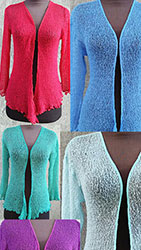
Plus size ruffle shrug with sheer and elastic fabric. Wide range of colours available. Use your own brand. Buy direct from factory in Bali Indonesia. Bolero wholesale. Tie-front shrug for women. Summer clothing. Wholesale only, factory direct. To order, send us email. Fill our inquiry form or send email directly to our Gmail address. See photo for our email address. We need to know your order quantity to calculate shipping. We also need to know your shipping port. Door to door shipment by express courier or post office also available.
Sarong Factory in Bali Indonesia
Mini Skirts, Batik Pantaloon Beachwear, Beaded Footwear etc.
See more Pareo from Bali and Bali Accessories.
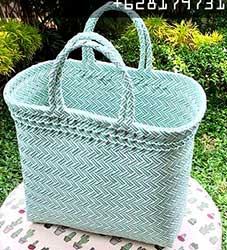
Handwoven recycled plastic tote bags from Indonesia . Bali recycled plastic bags. Women's shopping bags and baskets, handmade using plastic strapping bands made from recycled plastic bottles. Known as kago bags or handmade tote bags and baskets. Durable and beautiful, made in various colors of recycled plastic. Fashionable, handmade woven totes made from recycled plastic. Direct from the factory in Indonesia. We produce and export woven tote bags worldwide. Specially designed as multipurpose bags for everyday use. Made from recycled plastic by skilled woven bag craftswomen in Indonesia.
Batik Sarong | Beaded Purse | Bali Sarongs | Sarongs Indonesia | Sarongs Factory | Contact Us | Pareo Bali | New Bali Sarongs
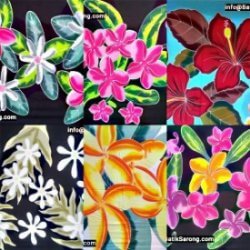
Flowers Sarongs Lavalava . These hand-painted sarongs feature tropical flower motifs on smooth rayon fabric. Vibrant, soft, and comfortable. Produced by an experienced sarong factory specializing in beach sarongs and lavalavas for the international market. We offer wholesale only and provide worldwide shipping. Browse our catalog of Indonesian pareos and contact us to place your order via email or WhatsApp chat.
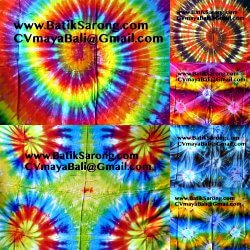
Tie Dye Pareo Made in Indonesia . Handmade tie-dye sarongs and pareos featuring bright, vibrant colors. Crafted by skilled traditional batik artisans in Bali and Java, Indonesia. Ideal for casual beach and poolside wear or as stylish travel attire. Perfect for festivals and boho fashion, as well as bohemian and retro 70s styles. Order now in wholesale bulk quantities directly from our sarong factory in Indonesia. We ship worldwide and have been trusted since 2001, with decades of experience in producing and shipping orders for overseas buyers. Send us your order via email or chat with us on WhatsApp. See the photo for our contact details.